
How Breathing Affects Back Pain
Improving this doesn’t require forcing deeper breaths. It involves restoring coordination - allowing the diaphragm, ribs, and spine to move more freely together.
Simple breathing practices can help. Techniques such as Dirga Pranayama encourage a more complete, steady breath, while Nadi Shodhana helps reduce unnecessary tension and regulate breathing patterns.
Back pain is not only structural - it can also be influenced by how you breathe. When breathing is shallow or inefficient, the muscles around the spine often take on extra work, leading to fatigue, tightness, and discomfort.
The diaphragm works together with the abdominal and back muscles to support the spine. When this coordination is reduced, the system becomes less efficient. Over time, this can contribute to tension in the middle and lower back, often alongside a more collapsed or forward-leaning posture.
This pattern can be seen more clearly in respiratory conditions such as pulmonary fibrosis, where breathing becomes more effortful. But even without illness, stress, poor sleep, and habitual shallow breathing can create similar strain over time.
Movement also plays a role.
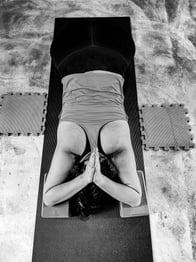
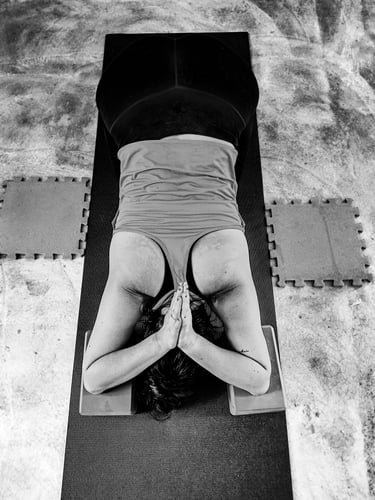
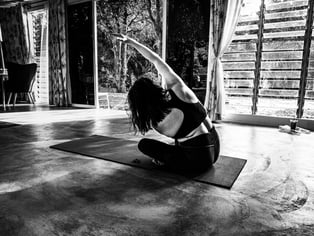
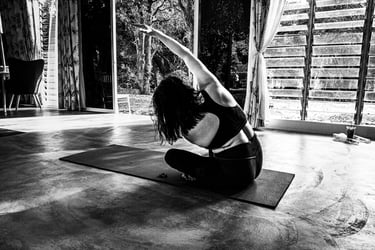
Seated side bends and Thread the Needle help release tension through the ribs, spine, and shoulders, allowing the breath to move more easily. Bridge Pose provides gentle support for the back while opening the chest and encouraging better diaphragm function.
With consistent practice, breathing becomes less effortful, the spine carries less unnecessary tension, and back discomfort often begins to ease.
The body cannot breathe well if it is held rigid - and it cannot move well if breathing is restricted.
More Insights