
The Importance of Relaxation
Relaxation is not simply the absence of activity. It is an active process that allows the body to shift out of a more alert, reactive state and into one where recovery and regulation can take place.
Why It Matters
Stress is part of how the body responds and adapts.
But when it remains elevated, the system has less opportunity to settle. Over time, this affects sleep, breathing patterns, and how the body manages energy and repair - explored further in Importance of Sleep.
This is not just mental. It reflects how the whole system is organised - including hormonal regulation and the balance between effort and recovery.
What Happens Without It
When relaxation is limited, the body tends to remain in a more activated state.
Breathing becomes shallower, muscles hold unnecessary tension, and the system becomes less efficient at returning to baseline. This is often experienced as fatigue, restlessness, or difficulty switching off.
In Practice
Relaxation needs to be learned.
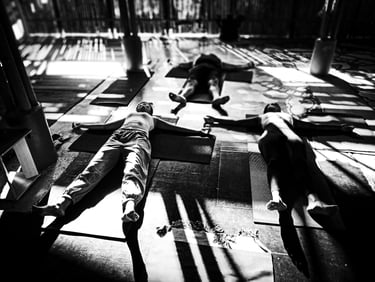
Practices such as guided Savasana provide a structured way to do this, where subtle shifts in the body become more noticeable, as described in A Lot Happens in Savasana. Rather than simply lying down, attention is directed through the body, allowing areas of tension to release and awareness to settle.
This helps restore the connection between breath, body, and attention - something that is often disrupted under stress.
The Role of Stillness
Over time, the ability to relax becomes more accessible.
The body shifts more easily out of effort, breathing becomes steadier, and recovery improves. This is why relaxation sits alongside movement and breath as a core part of practice - not as an optional extra, but as something essential.
More Insights